
The Evolution and Challenges of UK Horse Racing: What’s Not on the Agenda?
In recent years, UK horse racing has become a vibrant tapestry of tradition, excitement, and innovation. However, not everything within this storied sport is making the headlines. For instance, many are unaware of the increasing number of UK Horse Racing Not on GamStop horse racing not on GamStop events, which play a crucial role in diversifying the racing world. The UK racing scene is complex, with many factors influencing the direction it is taking. In this article, we will delve deeper into the current landscape of horse racing in the UK, examining its widespread appeal, the challenges it faces, and aspects that are overlooked by the mainstream audience.
The Rich Heritage of Horse Racing in the UK
Horse racing has been a significant part of British culture for centuries, dating back to the Roman times. Initially, it was a sport for the elite, but over time it transformed into a national pastime enjoyed by millions. The iconic tracks of Ascot, Aintree, and Cheltenham have become synonymous with top-tier racing, attracting global attention during major events like the Grand National and the Cheltenham Festival.
The Current State of UK Horse Racing
Despite its rich heritage and the electrifying excitement of live events, UK horse racing faces several challenges that are often overlooked. Issues such as declining revenue from betting, regulatory changes, and the need for modernization have sparked considerable debate among industry insiders. Additionally, while the sport continues to attract a passionate fanbase, many casual observers might be unaware of the ongoing struggles behind the scenes and the potential ramifications for horse racing enthusiasts.
The Impact of Technology and Gambling Regulations
The role of technology in horse racing is expanding rapidly. Online betting platforms have gained immense popularity, significantly altering how fans engage with the sport. This digital shift, while beneficial, also comes with its own set of challenges. Regulations, particularly concerning gambling, are constantly evolving, pushing the industry to adapt quickly. This is particularly relevant when discussing horse racing not on GamStop options which have emerged in response to strict regulations governing traditional betting methods.
What’s Not on the Agenda?
While most discussions around UK horse racing focus on major races and high-profile horses, there are numerous smaller circuits and events that often fail to capture the public’s interest. These smaller racing venues provide essential support to the sport’s ecosystem, giving young trainers, jockeys, and horses a platform to shine. However, their importance is frequently overshadowed by larger events, leading to a disconnect between the heart of the sport and its public perception.

The Role of Lesser-Known Races
Lesser-known races serve as a breeding ground for talent and innovation within the sport. Many of today’s stars began their careers in unglamorous settings, honing their skills before making it to the big leagues. Events that might seem insignificant play a vital role in the competitive landscape of horse racing. By nurturing young talent, these smaller events contribute to the diversity and sustainability of the sport.
The Integration of Grassroots Racing
Grassroots racing is crucial to maintaining enthusiasm for the sport at all levels. Community events foster a sense of belonging and accessible entertainment, drawing families and friends together. The passion and joy displayed at such events often surpass that of more commercialized venues. However, they struggle for recognition, and many potential fans remain unaware of the vibrant local racing culture.
The Future of Horse Racing in the UK
To ensure the long-term success of UK horse racing, stakeholders must prioritize adaptability in a rapidly changing landscape. Whether it’s adapting to technological advances or providing more support for grassroots initiatives, a
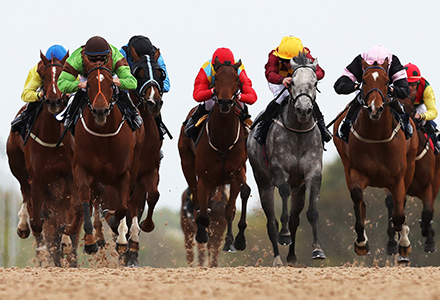
multifaceted approach is essential. Engaging the younger generation through innovative marketing strategies, interactive experiences, and educational programs could serve as a bridge to a more sustainable future.
Conclusion
The UK horse racing scene is complex, filled with opportunities and challenges that deserve attention. As fans, stakeholders, and industry experts navigate these turbulent waters, there is much to learn from the stories and races that fall outside the limelight. Understanding the dynamics of UK horse racing not only enhances our appreciation of this traditional sport but also inspires future generations to embrace and support the rich tapestry of racing culture. Ultimately, it is the collective efforts of those passionate about the sport that will shape its legacy for years to come.